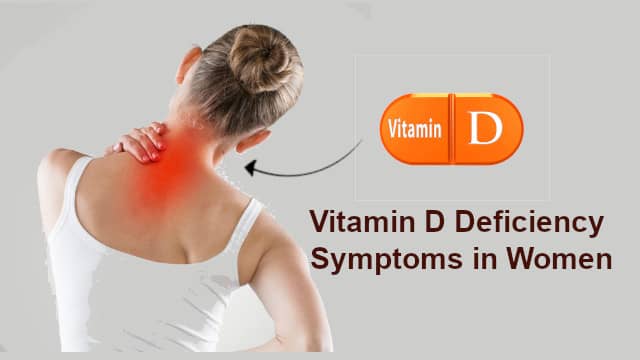
Looking for vitamin D deficiency symptoms in women? Vitamin D is highly crucial for the proper functioning of various systems within your body, including bone and dental health. This essential vitamin is responsible for absorbing vital minerals like magnesium, calcium, and phosphate.
Known as the sunshine vitamin, it is produced in your skin when you get exposed to sunlight. A minimal number of foods with good levels of vitamin D and even fortified foods do not have the right amount of this vitamin to support the body.
Vitamin D is fat-soluble and is essential for proper immune functioning and your overall health. However, if you are not getting adequate Vitamin D, then it can have severe side effects on your body.
Vitamin D deficiency symptoms are common in adults of all ages, usually among those who use many sunscreens and stay indoors.
Almost 50% of the normal population are at risk of vitamin D deficiency, and the insufficiency gets higher in older people.
By increasing the level of vitamin D in the body, you can ward off chronic diseases, including cancer, heart diseases, infections, and mental health conditions.
Vitamin D deficiency Causes
- Inadequate sun exposure
- Not having enough food with vitamin D
- Using too much sunscreen
- Living in polluted areas
Vitamin D Deficiency Symptoms in Women and Men
1. Getting Sick Frequently
You might have noticed that you get cold and flu mainly in the winter months when sun exposure is lower. This happens due to insufficient vitamin D in your body.
Vitamin D is crucial to keep your immune system functioning correctly and boosts it to fight off infections. If you had been falling sick and getting infections more often, then the reason is the lack of this vitamin in your system.
If you are not getting sun exposure, you can still take vitamin D supplements daily, which can reduce the risk of respiratory infections.
2. Tiredness and Exhaustion
Vitamin d deficiency fatigue: People often feel exhausted but do not give much attention to this issue. Vitamin D deficiency can be a significant cause for you feeling fatigued all the time.
You may feel exhausted even if you are getting plenty of sleep. Women can get chronic headaches and fatigue during the daytime without even getting involved in any significant physical activity if vitamin D levels in their blood are not enough.
Taking more vitamin D can help improve these symptoms.
Also Read: 7 Early Warning Signs of Stroke Everyone Should Know
3. Back and Bone Pain
Vitamin D has a vital role in maintaining bone health. If you had been facing pain in your bones and lower back, this could indicate vitamin D deficiency in your body.
People with low levels of vitamin D have more aching bones in their ribs, legs, and joints than those who get sufficient vitamin D.
Bone loss can result in developing osteoporosis and fractured bones in the later stages of life.
So, if you observe this symptom, start taking supplements for vitamin D and get adequate sun exposure.
Related: How to Cure Lower Back Pain Fast Naturally
4. Depression
Vitamin d deficiency depression: Feeling low all the time? Vitamin D deficiency can be the culprit behind this issue. A lower level of this vitamin can make you depressed all the time.
The vitamin D receptors are found in several parts of the brain, including in the areas linked to depression.
By increasing the vitamin D levels in your body, you can get rid of depression as it boosts the number of specific chemicals, including serotonin.
5. Slow Wound Healing
If it takes too long for you to recover post any injury, get yourself check for lower vitamin D levels.
6. Too Much Sweating
If you had been sweating a lot, especially on your forehead, this might be a warning sign of vitamin D deficiency.
If you look like you are glowing even when your body’s temperature is average, you need more of this vitamin.
7. Hair Fall
Vitamin d Deficiency Hair Loss: Hair loss in women can indicate low vitamin D levels. Alopecia areata, which is an autoimmune disease, is found to be caused by a deficiency of vitamin D.
The lesser level of this vitamin in the blood is linked to severe hair loss patterns.
[Also Read: How to Grow Hair Faster Naturally in a Week (Tested Remedies)]
8. Muscle Pain
Vitamin d deficiency pain in the leg: Many studies have found that vitamin D deficiency can be a potential cause of muscle pain in children and adults.
By optimizing the levels of vitamin D in your body, you can get protection against:
9. Autoimmune Diseases
A potent immune modulator can prevent autoimmune diseases such as inflammatory bowel disease and multiple sclerosis.
10. Cardiovascular Diseases
Sufficient vitamin D in your body can protect you from heart attack, stroke, and many other heart illnesses.
It also reduced hypertension which is considered a silent killer.
Also Read: Prevent Heart Attacks: 10 Superfoods for a Healthy Heart
11. Infections
A daily dose of vitamin D can protect your body from infections, including influenza A.
As vitamin D boosts your immunity, you have better chances to get fewer infections.
12. Metabolic Processes
In studies, it is found that sufficient vitamin D in the blood can help in regulating different genes that control more than 80 metabolic processes, including DNA repair, to affecting autoxidation.
Here are the most asked questions and short, clear answers about Vitamin D — perfect for short content, reels, or FAQ sections 👇
Frequently Asked Question & Answers-
Q. What is Vitamin D?
Ans- Vitamin D is a fat-soluble vitamin that helps your body absorb calcium, magnesium, and phosphate — vital for bones, teeth, and immunity.
Q. Why is Vitamin D called the “sunshine vitamin”?
Ans- Because your skin makes Vitamin D naturally when exposed to sunlight.
Q. What causes Vitamin D deficiency?
Ans- Less sun exposure, too much sunscreen, pollution, aging, and poor diet low in Vitamin D-rich foods.
Q. Who is at risk of Vitamin D deficiency?
Ans- People who stay indoors, older adults, those with darker skin, or who live in cold or polluted areas.
Q. What are early signs of Vitamin D deficiency in women?
Ans- Frequent sickness, fatigue, back pain, mood swings, slow wound healing, sweating, and hair loss.
Q. Can Vitamin D deficiency cause depression?
Ans- Yes. Low Vitamin D levels are linked to low serotonin, leading to sadness or depression.
Q. Does Vitamin D affect hair growth?
Ans- Yes. Deficiency can cause hair thinning or hair fall, especially in women.
Q. Can lack of Vitamin D cause muscle or bone pain?
Ans- Yes. It weakens muscles and bones, causing back, leg, or joint pain.
Q. How much sunlight do you need for Vitamin D?
Ans- Around 15–20 minutes of sunlight daily on your face, arms, and legs is enough for most people.
Q. What foods are rich in Vitamin D?
Ans- Egg yolks, salmon, milk, cheese, mushrooms, soy milk, cereals, and fortified orange juice.
Q. Can Vitamin D boost immunity?
Ans- Yes! It strengthens the immune system and helps fight colds, flu, and infections.
Q. How can I know if I’m deficient in Vitamin D?
Ans- Get a blood test to check your Vitamin D (25-hydroxy) levels.
Q. How to increase Vitamin D naturally?
Ans- Get sunlight, eat Vitamin D-rich foods, and take doctor-recommended supplements if needed.
Q. Can Vitamin D prevent heart disease?
Ans- Yes, adequate Vitamin D levels can lower the risk of high blood pressure, stroke, and heart attack.
Q. Is it safe to take Vitamin D supplements daily?
Ans- Yes, but only in recommended doses (600–2000 IU per day). Too much can be harmful.
Wrapping Up:
The only way to be sure that you are vitamin D deficient is by testing your blood sample. If you had been observing these signs and symptoms persistently, then do not delay in getting yourself examined.
To ensure that you are indeed getting enough vitamin D in your body, you might require at least 20 minutes of sun exposure.
Certain foods are rich in vitamin D- egg yolk, soy milk, cocoa, orange juice, mushrooms, cheese, milk, curd, salmon, fish, and cereals.
Ensure that you are getting enough vitamin D-rich food to maintain a healthy life. We hope this post vitamin D deficiency symptoms in women had been helpful!