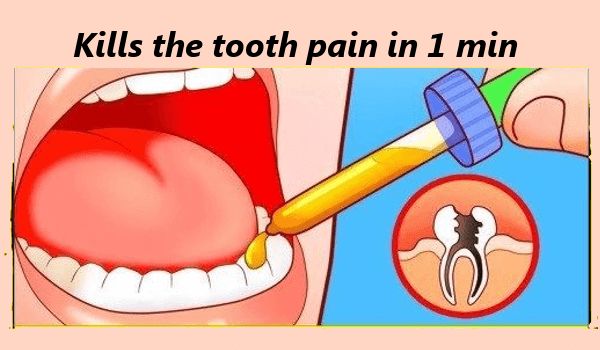
A sudden toothache can make even simple activities like eating, drinking, talking, or sleeping extremely uncomfortable. Whether you experience a sharp pain when drinking something cold or a persistent throbbing sensation, tooth pain should never be ignored.
Toothaches can develop for several reasons, including tooth decay, gum infections, cracked teeth, and dental abscesses. Although some home remedies may temporarily reduce discomfort, they cannot cure the underlying dental problem.
If you are wondering how to stop tooth pain fast at home naturally, several simple methods may help you manage the discomfort until you can visit a dentist.
Let’s explore the common causes of toothaches, their symptoms, and some practical ways to find temporary relief.
Common Causes of Tooth Pain
Understanding what causes a toothache can help you identify the problem and seek appropriate treatment.
1. Dental Abscess
A dental abscess is a pocket of pus caused by a bacterial infection in or around a tooth. It can develop near the tooth root or in the surrounding gums.
Common symptoms include severe throbbing pain, facial swelling, fever, and an unpleasant taste in the mouth. A dental abscess requires urgent treatment because the infection will not disappear on its own.
2. Cracked or Fractured Tooth
Biting hard foods, injuries, or grinding your teeth can cause cracks or fractures. These can expose sensitive inner layers of the tooth, resulting in sharp pain when chewing or drinking.
3. Tooth Decay and Cavities
Tooth decay occurs when bacteria in dental plaque produce acids that gradually damage tooth enamel.
As the decay progresses, it can reach the sensitive inner part of the tooth, known as the pulp, causing pain and sensitivity.
4. Gum Disease
Gingivitis is an early form of gum disease that causes inflammation, redness, and bleeding.
If left untreated, it may develop into periodontitis, a more serious condition that damages the tissues supporting your teeth.
5. Tooth Sensitivity
Some people experience temporary pain when consuming hot, cold, sweet, or acidic foods.
This can happen when tooth enamel wears down or gums recede, exposing the sensitive surface underneath.
Common Symptoms of Toothache
Tooth pain can range from mild sensitivity to severe, continuous discomfort.
Watch for these common symptoms:
- Sharp or throbbing pain: Discomfort that may become worse when chewing.
- Tooth sensitivity: Pain when consuming hot, cold, or sweet foods.
- Swollen gums: Redness, tenderness, or inflammation around the affected tooth.
- Bad breath: An unpleasant smell or taste that may indicate an infection.
- Bleeding gums: Bleeding during brushing or flossing, often associated with gum disease.
- Facial swelling: Swelling around the jaw or cheek that may indicate a dental infection.
- Fever: A possible warning sign of an infection that needs urgent attention.
How to Stop Tooth Pain Fast at Home Naturally
The following remedies may provide temporary relief from toothache. However, remember that they cannot repair cavities, heal fractures, or eliminate a dental abscess.
1. Rinse Your Mouth with Warm Salt Water
A warm saltwater rinse is one of the simplest ways to manage mild tooth discomfort.
Saltwater can help clean the mouth, loosen food particles, and soothe irritated gum tissue.
How to use it:
- Add half a teaspoon of salt to a glass of warm water.
- Stir until the salt dissolves completely.
- Gently rinse your mouth for about 20–30 seconds.
- Spit out the solution instead of swallowing it.
- Repeat as needed.
Avoid using very hot water, especially if your tooth is sensitive.
2. Apply a Cold Compress
A cold compress may help reduce swelling and temporarily numb the affected area.
It is particularly useful when tooth pain is accompanied by swelling or follows a dental injury.
How to use it:
- Wrap an ice pack in a clean towel.
- Hold it against the outside of your cheek near the painful tooth.
- Apply it for approximately 15–20 minutes.
- Take a break before applying it again.
Never place ice directly against your tooth or gums.
3. Try a Peppermint Tea Rinse
Peppermint contains menthol, which produces a cooling sensation. A cooled peppermint tea bag may provide mild soothing comfort, although there is limited clinical evidence that it treats toothache.
How to use it:
- Prepare a peppermint tea bag in hot water.
- Allow it to cool completely.
- Place the cooled tea bag gently against the affected area for a few minutes.
- Remove it if irritation occurs.
Do not use hot tea bags on painful or inflamed gums.
4. Consider Clove-Based Dental Products
Cloves contain eugenol, a compound used in some dental preparations because of its temporary numbing properties.
However, concentrated clove oil can irritate or burn gum tissue if applied incorrectly.
What to do:
- Ask your dentist or pharmacist about an appropriate clove-based dental product.
- Follow the product instructions carefully.
- Avoid applying undiluted clove oil directly to your teeth or gums.
Remember, clove products provide temporary relief and cannot treat an underlying infection.
5. Gently Remove Trapped Food Particles
Sometimes, food particles become trapped between teeth and irritate the surrounding gums.
Removing the debris may help reduce discomfort.
What to do:
- Gently rinse your mouth with lukewarm water.
- Carefully use dental floss if food is trapped between your teeth.
- Avoid forcing floss into painful or swollen gums.
- Never use needles, pins, or sharp objects to remove food.
6. Use Over-the-Counter Pain Relief
If natural remedies are not enough, appropriate over-the-counter pain relievers may help manage toothache.
Common options include paracetamol (acetaminophen) and ibuprofen.
Important precautions:
- Follow the recommended dosage on the packaging.
- Ask a pharmacist before using pain medication if you have existing medical conditions or take other medicines.
- Ibuprofen may not be suitable for people with certain stomach, kidney, or heart conditions, or during some stages of pregnancy.
- Do not place aspirin tablets directly against your tooth or gums because they can cause tissue burns.
- Never give aspirin to children under 16.
7. Keep Your Head Slightly Elevated
Some people notice that tooth pain becomes worse when lying flat.
Keeping your head slightly elevated with an extra pillow may make resting more comfortable.
This is a simple comfort measure, not a treatment for the underlying dental problem.
Additional Tips to Reduce Tooth Pain
Along with the remedies above, a few everyday precautions can help prevent discomfort from getting worse.
- Eat soft foods such as yogurt, mashed potatoes, and scrambled eggs.
- Avoid chewing on the side of the painful tooth.
- Stay away from extremely hot, cold, sweet, or acidic foods if they trigger sensitivity.
- Drink enough water throughout the day.
- Continue gentle brushing with a soft-bristled toothbrush.
- Avoid smoking and tobacco products.
- Avoid applying alcohol, concentrated essential oils, or other irritating substances to the affected tooth.
When Should You See a Dentist?
Home remedies are temporary measures, not substitutes for professional dental treatment.
Contact a dentist if:
- Your toothache lasts longer than two days.
- The pain is severe or keeps returning.
- You experience pain while biting or chewing.
- Your gums become red, swollen, or tender.
- You notice pus, a persistent bad taste, or unusual discharge.
- You develop fever or swelling around your jaw or cheek.
Seek emergency medical care immediately if swelling spreads toward your eye or neck or causes difficulty breathing, swallowing, or speaking.
A dental abscess can spread to surrounding tissues and requires urgent professional treatment.
How to Prevent Tooth Pain
Good oral hygiene is one of the best ways to reduce your risk of tooth decay and gum disease.
Follow these preventive habits:
- Brush twice daily: Use fluoride toothpaste and a soft-bristled toothbrush.
- Floss regularly: Clean between your teeth to remove trapped food and plaque.
- Limit sugary foods: Reduce frequent consumption of sweets, sugary drinks, and snacks.
- Drink enough water: Water helps wash away food particles and supports normal saliva production.
- Avoid tobacco: Smoking and tobacco use increase the risk of gum disease.
- Visit your dentist regularly: Routine dental checkups help identify problems before they become severe.
- Protect your teeth: Wear a mouthguard during contact sports and avoid chewing ice or other extremely hard objects.
Frequently Asked Questions
1. How can I stop tooth pain immediately at home?
A warm saltwater rinse, cold compress, and appropriate over-the-counter pain relief may temporarily reduce discomfort. However, persistent or severe tooth pain requires dental evaluation.
2. Does garlic help relieve toothache?
Garlic contains compounds with antimicrobial activity in laboratory studies, but there is insufficient clinical evidence that applying raw garlic treats toothache. It may also irritate or burn sensitive gum tissue.
3. Can clove oil stop tooth pain?
Clove oil contains eugenol, which can temporarily numb discomfort. However, concentrated clove oil may irritate or damage gum tissue. Use only dentist-approved dental products as directed.
4. How long can a toothache last without treatment?
The duration depends on the underlying cause. Mild sensitivity may come and go, while pain caused by cavities or infections may persist or worsen. Do not ignore recurring tooth pain, even if it temporarily disappears.
5. Can a tooth infection go away on its own?
No. A dental abscess does not usually resolve without professional treatment. A dentist may need to drain the infection, perform root canal treatment, or remove the affected tooth.
Conclusion
Tooth pain can interfere with your daily routine and make eating, sleeping, and concentrating difficult. Fortunately, simple measures such as warm saltwater rinses, cold compresses, and appropriate pain relief may help manage discomfort temporarily.
However, the most important step is identifying and treating the actual cause of the toothache. Do not rely on home remedies alone, especially if you experience severe pain, fever, or facial swelling.
Maintain good oral hygiene, limit sugary foods, and visit your dentist regularly to protect your teeth and maintain a healthy smile.