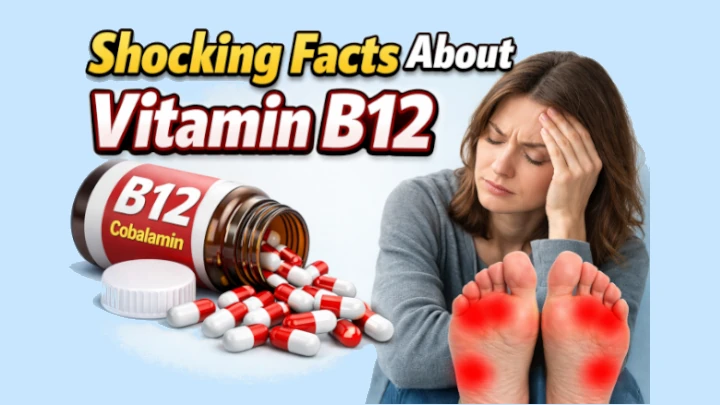
Vitamin B12 is one of the most important nutrients your body needs, yet many people know very little about it. This essential vitamin plays a major role in brain health, nerve function, and red blood cell production. Despite its importance, vitamin B12 deficiency is surprisingly common around the world.
Many people live with low B12 levels without realizing it. The symptoms can be subtle at first but may become serious over time if ignored. In this article, we will explore 15 shocking facts about vitamin B12 that doctors rarely discuss, and why paying attention to this nutrient could dramatically improve your health.
1. Your Body Cannot Produce Vitamin B12
Unlike some nutrients that your body can create on its own, vitamin B12 must come from food or supplements. Your body does not have the ability to produce this vitamin naturally.
This means if your diet lacks B12-rich foods, your levels can slowly drop over time. Because the body stores B12 in the liver, symptoms may take years to appear, which makes the deficiency harder to detect early.
2. Vitamin B12 Deficiency Can Mimic Depression
One of the most surprising facts about vitamin B12 is that low levels can affect your mental health. People with B12 deficiency often experience symptoms like:
- Depression
- Anxiety
- Mood swings
- Irritability
Because these symptoms look like common mental health conditions, the real cause may sometimes go unnoticed.
3. Low B12 Can Affect Your Memory
Vitamin B12 plays a crucial role in maintaining brain health. When levels drop, people may experience:
- Brain fog
- Difficulty concentrating
- Memory problems
- Confusion
In severe cases, long-term B12 deficiency can even contribute to cognitive decline.
4. Vegetarians and Vegans Are at Higher Risk
Vitamin B12 is mainly found in animal-based foods, such as:
- Meat
- Fish
- Eggs
- Dairy products
Because plant foods usually do not contain natural B12, people following vegetarian or vegan diets are more likely to develop deficiencies if they don’t consume fortified foods or supplements.
5. Vitamin B12 Protects Your Nervous System
One of B12’s most critical roles is protecting your nervous system. It helps maintain the protective covering around nerves called myelin.
When B12 levels fall too low, nerves may become damaged. This can lead to symptoms like:
- Tingling in hands and feet
- Numbness
- Burning sensations
- Muscle weakness
If untreated for long periods, nerve damage can become permanent.
6. Blood Tests Don’t Always Reveal the Full Picture
Many people assume that a standard blood test will always detect B12 deficiency. However, that is not always true.
Some individuals may have normal B12 levels on lab reports but still experience deficiency symptoms. This happens because the body may not be properly using or absorbing the vitamin.
This is why symptoms and medical history are just as important as lab results.
7. Extreme Fatigue Is a Common Warning Sign
One of the earliest symptoms of vitamin B12 deficiency is constant fatigue. People with low B12 often feel tired even after getting enough sleep.
This happens because B12 is needed to produce healthy red blood cells. When levels are low, oxygen delivery throughout the body decreases, which can cause weakness and exhaustion.
8. Digestive Problems Can Prevent B12 Absorption
Even if you eat enough B12-rich foods, your body may still struggle to absorb it. Certain digestive conditions can interfere with B12 absorption, including:
- Low stomach acid
- Gastritis
- Gut inflammation
- Intestinal disorders
These issues make it harder for the body to extract B12 from food.
9. Some Medications Reduce B12 Levels
Certain medications taken over long periods can lower vitamin B12 levels. These include drugs that reduce stomach acid and some medications used for diabetes.
Since stomach acid helps release B12 from food, lowering acid levels may interfere with proper absorption.
10. Pale or Yellowish Skin Can Be a Sign
A less commonly known symptom of vitamin B12 deficiency is changes in skin color.
People with low B12 may develop pale skin or a slightly yellowish tint. This happens when the body struggles to produce healthy red blood cells.
11. Your Tongue Can Reveal a Hidden Deficiency
Your tongue can sometimes show early signs of vitamin B12 deficiency. A smooth, swollen, or burning tongue may indicate low levels of this nutrient.
Some people also experience mouth ulcers or an unusual sensation in the tongue.
12. Vitamin B12 Is Essential for DNA Production
Every cell in your body depends on vitamin B12 for DNA synthesis. Without enough B12, the body cannot properly create new cells.
This affects many systems in the body, including blood cells, brain cells, and nerve cells.
13. Older Adults Absorb Less Vitamin B12
As people age, their bodies produce less stomach acid. Since stomach acid is required to release B12 from food, this makes absorption more difficult.
For this reason, vitamin B12 deficiency is especially common in older adults.
14. Severe Deficiency Can Affect Balance and Walking
Long-term B12 deficiency can impact the nervous system enough to affect coordination.
Some people may develop:
- Poor balance
- Difficulty walking
- Weak muscles
- Increased risk of falls
These symptoms highlight how important B12 is for nerve health.
15. Vitamin B12 Plays a Role in Heart Health
Vitamin B12 helps regulate a substance in the blood called homocysteine. High levels of homocysteine are linked to an increased risk of heart disease.
Maintaining healthy B12 levels may help support cardiovascular health and reduce potential risks.
Also Read: Vitamin b12 Deficiency Symptoms
Conclusion
Vitamin B12 is a vital nutrient that supports many essential functions in the body, from brain health to nerve protection and red blood cell production. Unfortunately, B12 deficiency often goes unnoticed, because its symptoms can mimic other health problems.
Understanding the warning signs—such as fatigue, memory issues, nerve tingling, and mood changes—can help you recognize potential problems early.
To maintain healthy B12 levels, it is important to eat foods rich in this vitamin, such as eggs, fish, dairy products, and meat, or consider fortified foods and supplements if needed.
Taking vitamin B12 seriously can make a big difference in your energy levels, mental clarity, and overall health. By staying aware of these 15 shocking facts about vitamin B12, you can protect your body and avoid the hidden dangers of deficiency.