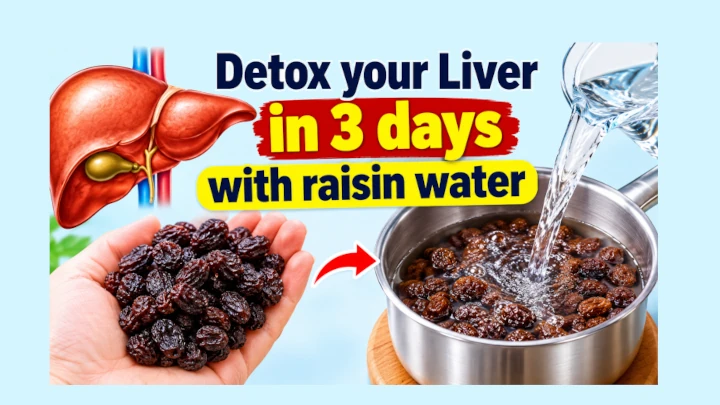
Are you looking for a simple raisin water recipe to support your liver health? Maintaining a healthy lifestyle is important for everyone, especially those who want to stay active and enjoy more quality time with their families.
The liver is one of the body’s most important organs. It helps process nutrients, metabolize medications, produce bile for digestion, and break down substances the body needs to eliminate. However, unhealthy eating habits, excessive alcohol consumption, certain medications, and some medical conditions can affect liver health over time.
While no single drink can cleanse or detoxify the liver, making healthier dietary choices can support its normal functions. One simple option is raisin water, a homemade drink prepared by soaking raisins in water.
Raisins are dried grapes that contain natural sugars, small amounts of fiber, potassium, and antioxidant compounds. They can be included in a balanced diet, although the benefits of raisin water itself have not been extensively studied.
In this article, we’ll explore how to prepare raisin water, its potential nutritional benefits, the best way to include it in your diet, and important facts to know before trying this popular home remedy.
What is Raisin Water?
Raisin water is a homemade drink made by soaking raisins in water, sometimes after briefly boiling them. During soaking, some of the raisins’ water-soluble compounds and sugars may move into the surrounding water.
The softened raisins can also be eaten, providing fiber and other nutrients that may not be present in the strained liquid.
Raisin water is often promoted as a natural liver cleanse. However, there is currently insufficient scientific evidence that drinking it removes toxins from the liver, treats liver disease, or produces a special detoxification effect.
The good news is that raisins can still be a nutritious addition to a balanced diet when consumed in reasonable portions.
Potential Benefits of Raisin Water
1. Provides Antioxidant Compounds
Raisins contain plant compounds, including polyphenols, that have antioxidant properties. Antioxidants help protect cells from oxidative damage.
Although raisins contain these compounds, more research is needed to determine whether drinking raisin water provides meaningful benefits for liver health.
2. Supports Healthy Digestion
Raisins contain dietary fiber, which can help support regular bowel movements. Eating the softened raisins along with the water may provide more fiber than drinking the strained liquid alone.
If you’re experiencing occasional constipation, gradually increasing your fiber intake, drinking enough fluids, and staying physically active may help.
3. Provides Potassium
Raisins are a source of potassium, a mineral involved in normal muscle function, nerve signaling, and fluid balance.
However, the amount of potassium that passes into raisin water varies, and the drink should not be considered a reliable treatment for potassium deficiency.
People with kidney disease or those advised to limit potassium should consult their healthcare professional before regularly consuming concentrated raisin preparations.
4. Offers a Simple Alternative to Sugary Drinks
Unsweetened raisin water can be an alternative to sugar-sweetened beverages. Choosing water and other low-sugar drinks instead of sugary beverages can help reduce overall added sugar intake.
Keep in mind that raisins contain natural sugars, and some of those sugars can dissolve into the soaking water.
5. Can Be Part of a Balanced Diet
A healthy diet is important for overall well-being and liver health. Raisins can contribute some nutrients to a diet that includes vegetables, fruits, whole grains, legumes, nuts, and appropriate sources of protein.
However, raisin water alone cannot prevent or cure fatty liver disease, hepatitis, cirrhosis, or other liver conditions.
Raisin Water Liver Cleanse Recipe
You can prepare raisin water at home using just two basic ingredients.
Ingredients Required
- 2 tablespoons of raisins (approximately 20–30 grams)
- 1 Glass of clean drinking water (approximately 250 ml)
Optional: Use more water if you prefer a milder taste.
Step-by-Step Preparation Method
Step 1: Select the raisins
Choose clean, good-quality raisins without visible mold or an unusual smell. Both golden and dark raisins can be used.
Step 2: Wash the raisins
Rinse the raisins thoroughly under clean running water to remove surface dust and debris.
Step 3: Add water
Place the washed raisins in a clean container and add one cup of drinking water.
Step 4: Soak overnight
Cover the container and refrigerate it overnight. Refrigeration helps keep the preparation safe, particularly in warm weather.
Step 5: Prepare the drink
The next morning, stir the mixture. You can drink the soaking water and eat the softened raisins, or strain the drink if you prefer.
Step 6: Enjoy it with breakfast
You can enjoy raisin water as part of your normal breakfast routine. There is no scientific evidence that drinking it on an empty stomach or waiting 30 minutes before eating provides additional liver benefits.
Should You Boil Raisins Before Soaking Them?
Boiling is optional. Some traditional recipes call for simmering raisins in water for several minutes before allowing the mixture to cool.
If you prefer this method:
- Wash two tablespoons of raisins.
- Add them to one cup of water in a small saucepan.
- Bring the water to a boil, then simmer gently for about 5–10 minutes.
- Allow the mixture to cool.
- Transfer it to a clean, covered container and refrigerate.
- Drink it the following day, either strained or with the softened raisins.
There is no good evidence that boiling raisins for 15 minutes makes the drink more effective at cleansing the liver.
When Is the Best Time to Drink Raisin Water?
There is no scientifically established best time to drink raisin water. You can have it in the morning, with breakfast, or at another convenient time.
Drinking it before breakfast is a personal preference rather than a proven liver-health strategy.
You also do not need to follow a strict four-day cleanse or repeat the drink once a month. No clinical evidence establishes such a schedule as necessary or effective for liver health.
Does Raisin Water Really Detox the Liver?
Your liver already performs essential processing and metabolic functions. Along with your kidneys, digestive system, lungs, and other organs, it helps the body handle and eliminate waste products.
Along with detox drink, focus on habits that support long-term liver health:
- Eat a balanced diet rich in vegetables, fruits, whole grains, and legumes.
- Limit sugary drinks and foods high in added sugar.
- Maintain a healthy weight where appropriate.
- Exercise regularly.
- Avoid excessive alcohol consumption.
- Take medicines and supplements only as directed.
- Get vaccinated against hepatitis when recommended.
- Seek medical advice if you have risk factors for liver disease.
Raisin Water vs. Eating Whole Raisins
Both options can fit into a balanced diet, but they are not nutritionally identical.
Raisin water: Provides fluid and may contain some dissolved sugars and water-soluble compounds from the raisins.
Whole soaked raisins: Provide the fruit itself, including dietary fiber, as well as nutrients and plant compounds.
If your goal is to increase fiber intake, eating the softened raisins is generally a better option than discarding them after soaking.
Other Everyday Habits That Support Liver Health
If you want to take better care of your liver, these practical habits are worth prioritizing.
1. Choose More Whole Foods
Include a variety of vegetables, fruits, whole grains, beans, and other minimally processed foods in your meals.
2. Cut Back on Sugary Drinks
Frequent consumption of sugar-sweetened beverages can contribute to excess calorie intake and metabolic problems associated with fatty liver disease.
3. Stay Physically Active
Regular physical activity supports metabolic health and can help reduce the risk of conditions associated with fatty liver disease.
4. Be Careful With Supplements
Natural does not automatically mean safe. Some herbal products and supplements can damage the liver or interact with medicines. Discuss them with a healthcare professional before use.
5. Pay Attention to Warning Signs
Yellowing of the eyes or skin, dark urine, persistent abdominal swelling, or unexplained ongoing fatigue can require medical evaluation. Some liver diseases cause few or no symptoms in their early stages, so appropriate screening and testing may be important for people at risk.
Seek urgent medical attention if you develop sudden confusion, vomiting blood, or other severe symptoms.
Final Thoughts
Raisin water is an easy homemade drink that you can enjoy as part of a balanced diet. Raisins provide useful nutrients and plant compounds, and eating the softened fruit can help increase your fiber intake.
However, it is important to distinguish traditional home remedies from scientifically established treatments. Raisin water has not been proven to cleanse the liver, remove toxins, or cure liver disease.
For better long-term health, focus on nutritious meals, regular physical activity, appropriate hydration, and medical guidance when needed.
Remember: No single drink can replace healthy lifestyle habits or medical treatment. If you are concerned about your liver health, consult a qualified healthcare professional rather than relying on a detox remedy.