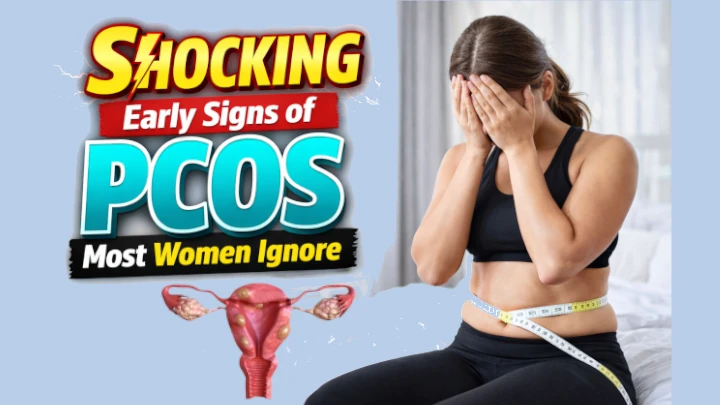
Polycystic Ovary Syndrome (PCOS) is one of the most common hormonal disorders affecting women of reproductive age. Many women live with PCOS for years without knowing it because the early signs are often ignored or misunderstood. Recognizing the symptoms early can help you get the right treatment and avoid long-term health complications.
PCOS affects how the ovaries function and can influence hormones, metabolism, fertility, and overall health. If detected early, lifestyle changes and proper medical care can help manage the condition effectively.
Here are 10 early signs and symptoms of PCOS every woman should know.
1. Irregular Periods
One of the earliest and most common signs of PCOS is irregular menstrual cycles. Women with PCOS may experience:
- Missed periods
- Periods that come very late
- Very light or very heavy bleeding
- Fewer than 8 periods in a year
This happens because hormonal imbalance prevents the ovaries from releasing eggs regularly (ovulation). Without ovulation, menstrual cycles become unpredictable.
If your periods are frequently irregular, it may be a sign that your hormones are not balanced.
2. Excess Facial or Body Hair (Hirsutism)
Many women with PCOS notice excess hair growth on areas where men typically grow hair. This condition is called hirsutism.
Common areas include:
- Chin
- Upper lip
- Chest
- Back
- Lower abdomen
This happens because PCOS increases levels of androgens (male hormones) in the body. Around 70% of women with PCOS experience excessive hair growth.
3. Persistent Acne
Hormonal acne is another early sign of PCOS. Unlike normal acne, it often appears:
- On the jawline
- On the chin
- On the upper neck
- On the back and chest
PCOS increases androgen hormones, which stimulate oil glands in the skin. Excess oil clogs pores and causes stubborn acne that doesn’t easily respond to regular treatments.
If acne continues even after your teenage years, hormonal imbalance could be the reason.
4. Unexplained Weight Gain
Many women with PCOS struggle with unexplained weight gain, especially around the abdomen.
PCOS often causes insulin resistance, which means the body cannot use insulin effectively. As a result:
- Blood sugar levels rise
- Fat storage increases
- Losing weight becomes difficult
Even with a healthy diet and exercise, some women find it hard to manage their weight.
5. Thinning Hair or Hair Loss
While some women experience excess body hair, others may notice hair thinning on the scalp.
PCOS-related hair loss usually appears as:
- Thinning at the crown of the head
- Gradual hair shedding
- Reduced hair volume
This type of hair loss is similar to male-pattern baldness, caused by increased androgen hormones.
6. Dark Patches on Skin
Another early warning sign of PCOS is dark, velvety skin patches, known as acanthosis nigricans.
These patches commonly appear on:
- Neck
- Underarms
- Groin area
- Under the breasts
This occurs because high insulin levels stimulate skin cells to produce more pigment. It is often a sign of insulin resistance, which is closely linked to PCOS.
7. Difficulty Getting Pregnant
PCOS is one of the leading causes of infertility in women.
Since ovulation does not occur regularly, it becomes difficult for the ovaries to release eggs needed for pregnancy. Women with PCOS may face:
- Irregular ovulation
- Delayed ovulation
- No ovulation at all
However, with proper treatment and lifestyle changes, many women with PCOS can successfully conceive.
8. Severe Mood Swings
Hormonal imbalance can also affect emotional health.
Women with PCOS may experience:
- Mood swings
- Anxiety
- Depression
- Irritability
- Low motivation
Changes in hormones such as estrogen, progesterone, and testosterone can influence brain chemicals that regulate mood.
Mental health symptoms are often overlooked but are very common in women with PCOS.
9. Chronic Fatigue
Feeling constantly tired is another symptom many women with PCOS report.
Even after a full night’s sleep, some women feel exhausted during the day. This may happen due to:
- Insulin resistance
- Hormonal imbalance
- Poor sleep quality
- Blood sugar fluctuations
Fatigue can also be linked to inflammation and metabolic changes associated with PCOS.
10. Multiple Small Ovarian Cysts
As the name suggests, PCOS may cause multiple small cysts on the ovaries.
These cysts are actually immature follicles that failed to release eggs. They can be detected through an ultrasound.
However, it’s important to know that not all women with PCOS have cysts, and some women without PCOS may have ovarian cysts.
Doctors usually diagnose PCOS based on a combination of symptoms, blood tests, and ultrasound findings.
When Should You See a Doctor?
You should consult a doctor if you experience:
- Irregular or missed periods
- Excess facial hair
- Severe acne
- Difficulty getting pregnant
- Sudden weight gain
Early diagnosis helps prevent complications such as:
- Type 2 diabetes
- Heart disease
- Infertility
- High cholesterol
- Endometrial cancer
A gynecologist or endocrinologist can perform tests to confirm whether PCOS is the cause.
How PCOS Is Usually Managed
Although PCOS cannot be completely cured, it can be effectively managed.
Common treatments include:
- Healthy diet and regular exercise
- Weight management
- Hormonal medications
- Insulin-sensitizing medicines
- Fertility treatments (if pregnancy is desired)
Lifestyle changes play a major role in controlling symptoms.
Final Thoughts
PCOS is a common condition, but many women remain undiagnosed for years. Recognizing the early signs and symptoms of PCOS can help you seek medical advice sooner and manage the condition before complications develop.
If you notice several of these symptoms, it’s important not to ignore them. Early diagnosis, proper treatment, and a healthy lifestyle can make a big difference in managing PCOS and improving overall health.