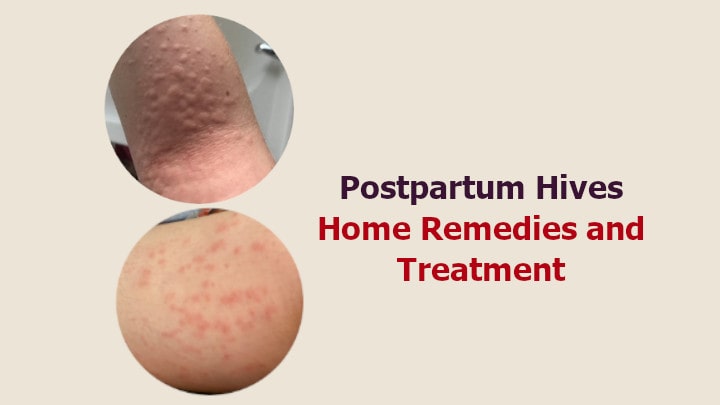
The problem of Postpartum Hives nowadays is very common for women. Hence, make sure you take care of your skin. Moreover, you must follow some postpartum hives home remedies and treatment.
Hives are also known as urticaria. It often identifies the scheme for the sudden arrival of red itchy bumps on the body. Due to some allergic reactions to foods, People often face problems with their bodies. Besides that, after pregnancy, many women go through the same problem every day.
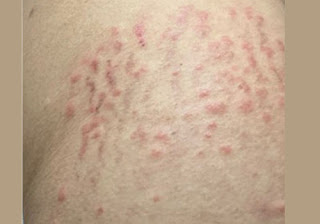
Subsequently, due to the allergic reaction body often releases a Protein called histamine. And it brings together the causes like itchiness, red rashes, Palms, Burning sensation on the feet, and swelling.
Subsequently, the problem of hives often occurs due to Food addiction, chemicals, insect biting, emotional outburst, and medicines. Initially, the hives can also occur when you come close to the too hot or too cold water during summer and winter.
However, the problem of these hives only remains for a few hours, and it goes automatically. Those facing the problem can also use home remedies to resolve the skin’s redness quickly. Here in this article, we will offer you the top postpartum hives home remedies you can apply.
In This Article
What is Postpartum Hives?
After the delivery maximum of the women invests very little time in themselves. After having a baby, they almost forget to care for their skin and health. However, for this negligence, women often face the problem of postpartum hives on their skin.
Women should keep in mind that their babies depend on them, and they have to take care of their help. Generally, the problem of postpartum hives comes when the immunity system of the women becomes weaker.
During the hormonal changes within women’s bodies after pregnancy, they face the irritating itchiness on the skin. It often comes into the bloodstream and Causes red rashes and other problems.
However, this problem can be solved by remaining at your house without the help of doctors. Initially, the women can apply the best postpartum hives home remedies to take care of this skin-related problem.
Postpartum Hives Home Remedies
Now here we are going to offer you those top Postpartum hives home remedies you can immediately use on your skin. Subsequently, you can also apply for make the home remedies at your home quickly and use them easily.
Let us check out the home remedies names and how to use them at the same time.
1. Oatmeal Bath
An oatmeal bath is one of the most popular and effective home remedies for Postpartum hides. The anti-inflammatory, anti-irritating, and soothing properties help you relieve the skin-irritating problem. If you are looking for a solution to relieve postpartum itching, this remedy will help you out.
How to use
At first, you will have to soak the oats in a cup of water for 10 to 15 minutes. After that, the water you will have to put in your bathtub. And lastly, you will have to make your body remain within the whole but the water for 10 to 15 minutes again to remove the problem.
Besides that, you can also make a paste of oatmeal with 2 teaspoons of cornstarch. Initially, we will have to apply the whole paste on all those red rashes areas to relieve your body
2. Aloe Vera
Subsequently, another one of the home remedies that you can use for yourself is Aloe Vera Gel or aloe Vera paste on your postpartum hives.
When it comes to solving skin-related problems, aloe Vera stands out the best. Aloe Vera has all the effective and natural properties like Anti-inflammatory and moisturizing properties.
How to use
To apply this remedy, you must take some fresh aloe Vera gel. After that, you need to put the aloe Vera gel on those effective areas of your skin. Lastly, you can Wash Out the paste by using cold water.
Try to use this home remedy several times a day until the problem solves. Moreover, the problem of postpartum hives at night will also disappear.
3. Chamomile Tea
Besides that, another solution that you can use for your postpartum hives problem is by drinking chamomile tea. The tea has all the Properties of anti-inflammatory and anti-irritating.
You can relieve the itchiness problem by simply drinking a cup of tea.
How to use
To prepare a cup of chamomile tea, you must take a few amounts of dried chamomile. By reading the tea in hot water, you will have to leave the water for 5 minutes by covering it.
Later you need to strain the dried tea leaves and drink them properly every day. This will naturally help you solve your problem, and try to take 3 to 4 cups of tea daily.
4. Cold Compress
To relieve your problem instantly, you can use the home remedy of a cold compress. This is another more effective home remedy that can quickly solve your postpartum hives problem from your skin.
How to use
All you need to have is a few ice cubes and a towel. Put the ice cubes within the towel and hold the cold compress on your effective areas for 10 to 15 minutes.
Try out this home remedy at your home, whenever you go through the problem of postpartum hives. It will instantly remove the red itchiness skin problem.
5. Apple Cider Vinegar
Another best home remedy for postpartum hives is apple cider vinegar. It also improves your immunity by providing you with all the anti-inflammatory properties of your body. It can also help you solve your postpartum rash on buttocks.
How to use
All you need to do is take some raw apple cider vinegar on your bath tap while taking your regular bath. By adding the Apple Cider Vinegar to the warm water, you will have to remain for 15 to 20 minutes. And initially, by using the remedy, you will be able to get rid of the problem.
6. Turmeric Milk
You can also drink a glass of turmeric milk to get instant relief from postpartum hives problems. Turmeric has all the natural properties like anti-inflammatory, antioxidant, and antihistamine, stimulating the body quickly.
How to use
To prepare a glass of turmeric milk, you must take a glass of hot milk. By adding one teaspoon of turmeric powder, honey, and A Pinch of black pepper powder, you will have to prepare the remedy for yourself.
By drinking every day to 2 glasses of turmeric milk, you can solve your problem naturally. Initially, those going through postpartum hives for months can also use the same remedy to get rid of the problem.
7. Peppermint Oil
Besides that, you can also use peppermint oil to cure your postpartum hives problem. Postpartum hives how long do you stay? It only lasts two or three hours on the skin if you want to know.
How to use
Initially, you will have to buy peppermint oil from the shops, and using your hand or cotton balls can use the oil throughout the affected areas. This is how we can solve your postpartum hives problem quickly.
8. Coconut Oil For Hives
Coconut oil is common in our houses, and you can apply this home remedy to cure your postpartum hives problem.
How to use
You will have to take a little amount of coconut oil in your hand and gently rub on all those red rashes areas on your skin every day. All the properties of coconut oil will naturally help you to get rid of the problem.
9. Using Basil
Another more effective home remedy that you can use for your postpartum hives is using the Basil paste. It can also remove all the red itchiness problems from your skin quickly. Initially, it can also improve the problem of postpartum rash treatment.
How to use
All you need to do is buy fresh basil leaves from the market. By crushing all of them, you need to make a pest and gently apply it to all those affected areas regularly. By using this method, you can solve your problem quickly.
10. Using Tea Tree Oil
Moreover, you can also use some effective tea tree oil on your Postpartum Hive affected areas. It is another more home best remedy that can instantly solve your problem.
How to use
All you need to do is purchase the best tea tree oil from the market places. And by using a cotton ball or your hands, you can remove the oil in your body.
11. Calamine Lotion
Another one of the best homemade remedies you can use for treating postpartum hives is calamine lotion. It helps all people to get relief from skin-related problems quickly.
How to use
All you have to do is buy calamine lotion and need to press them on those affected areas of your skin. You can also take a cotton ball to use the lotion on your hives for instant results.
How Long do Postpartum Hives Last
Here is the answer if you want to know how long postpartum hives last. The problem of postpartum hives is very common, lasting for a few hours on the skin.
When the body meets with hormonal changes and some allergy or food reaction, this problem often occurs on the skin. Initially, postpartum hives on face are often noticed in women going through after pregnancy.
Conclusion
Therefore, these are the best and most effective Postpartum hives home remedies for all women suffering from the problem. They can initially take any one of the remedies that we mentioned in the above paragraph to solve their problems.
Be sure to read: Allergic Reaction to Tanning Lotion Symptoms
References