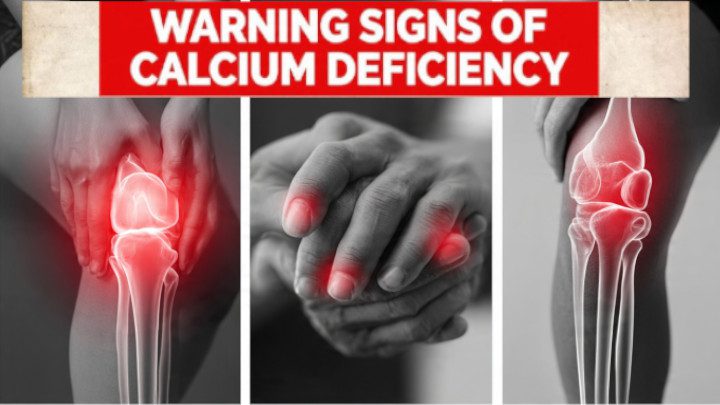
Calcium is one of the most important minerals in the human body. We usually hear about calcium for strong bones and teeth, but its role is much bigger. Your muscles, nerves, heart, and hormones also depend on calcium.
When your body does not get enough, it starts taking calcium from your bones, which leads to many health problems. This condition is called hypocalcemia, or simply calcium deficiency.
Today, more people are facing calcium deficiency because of poor diet, low sunlight exposure, fast foods, and lifestyle changes. Understanding the early warning signs and long-term effects is very important. If ignored, calcium deficiency can silently damage your body for years.
What Causes Calcium Deficiency?
There are many reasons why your calcium levels can drop:
- Low calcium intake from foods such as milk, curd, paneer, leafy greens, nuts, and seeds.
- Vitamin D deficiency, which affects calcium absorption.
- Hormonal changes, especially in women during pregnancy, breastfeeding, and menopause.
- Certain medicines that affect calcium levels.
- Kidney problems, which reduce calcium balance in the blood.
- Digestive issues, like celiac disease or Crohn’s disease, which reduce nutrient absorption.
Even if you think you eat well, your body may still not absorb calcium properly. That is why knowing the signs is very important.
Warning Signs of Calcium Deficiency
Calcium deficiency can show many symptoms. Some are mild and easy to ignore, while others are serious and need immediate care. Here are the common warning signs:
1. Muscle Cramps and Spasms
If your muscles often cramp at night or feel tight, stiff, or twitchy, it could be due to low calcium. Calcium helps muscles contract and relax normally.
2. Numbness and Tingling
A lack of calcium affects nerve function. You may feel tingling around your mouth, fingers, and toes. This is one of the earliest signs.
3. Fatigue and Weakness
Low calcium makes your body feel tired all the time. Your muscles may feel weak, and daily activities can become difficult.
4. Brittle Nails and Dry Skin
Calcium also supports healthy skin and nails. Deficiency can lead to cracked nails, dry skin, and hair thinning.
5. Tooth Problems
Your body takes calcium from your teeth when levels drop. This causes tooth pain, weak enamel, and more cavities.
6. Mood Changes
Calcium deficiency can affect the nervous system, leading to irritability, anxiety, depression, or mood swings.
7. Irregular Heartbeat
Severe deficiency can disturb your heartbeat and cause chest discomfort. This is a serious sign and needs medical help.
8. Bone Pain and Weak Bones
Low calcium makes bones fragile. You may feel joint pain, back pain, or frequent fractures. This condition is called osteoporosis, which affects many adults, especially women.
Long-Term Effects of Calcium Deficiency
Ignoring the early signs can lead to bigger health problems. Some long-term effects include:
1. Osteoporosis
This is the most serious effect. Your bones lose density and become weak like chalk. Even a small fall can cause fractures.
2. Poor Growth in Children
Kids need calcium to grow properly. Deficiency can delay growth, weaken bones, and cause dental problems early in life.
3. Hormonal Imbalance
Calcium plays a role in hormone release. Low levels can disturb your hormonal health, especially in women.
4. Heart and Blood Pressure Issues
Calcium helps your heart and blood vessels work smoothly. Low levels can cause high blood pressure, irregular heartbeat, and circulation problems.
5. Poor Immunity
Calcium supports immune function. Deficiency may make you fall sick more often.
How to Prevent Calcium Deficiency
Good news—calcium deficiency is easy to prevent with the right steps:
1. Add Calcium-Rich Foods
Include milk, curd, cheese, paneer, ragi, almonds, sesame seeds, spinach, broccoli, soybeans, and fortified foods.
2. Get Daily Sunlight
Sunlight helps your body make Vitamin D, which boosts calcium absorption. Just 10–15 minutes of morning sunlight is enough.
3. Take Supplements If Required
Some people need calcium or Vitamin D supplements. But take them only after consulting a doctor.
4. Exercise Regularly
Walking, weight training, and yoga help strengthen bones and improve calcium usage.
5. Avoid Excess Caffeine, Soft Drinks, and Smoking
These reduce calcium absorption and weaken bones in the long run.
Conclusion
Calcium deficiency may seem small, but its impact on your health can be huge. It affects your bones, muscles, nerves, teeth, heart, and even your mood.
The signs often show slowly and quietly—muscle cramps, fatigue, brittle nails, tooth issues, or frequent pain. If these symptoms sound familiar, it’s time to take action.
Adding calcium-rich foods, getting sunlight, and maintaining a healthy lifestyle can protect your bones and overall health. Early attention can prevent serious conditions like osteoporosis and heart problems.
Your body depends on calcium every single day—so don’t ignore the warning signs. Start taking care of your calcium levels today for a stronger, healthier future.