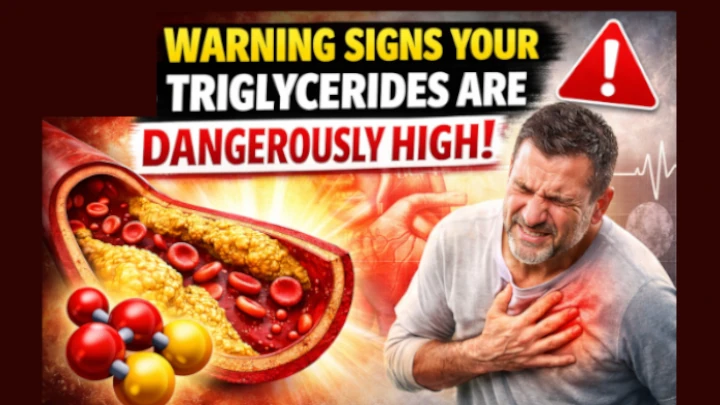
Triglycerides are a type of fat (lipid) found in your blood. When you eat food, your body converts extra calories—especially from sugar, refined carbs, and fats—into triglycerides. These triglycerides are stored in fat cells and released later for energy.
Having some triglycerides is normal and necessary. But high triglyceride levels can silently damage your body and increase the risk of heart disease, stroke, fatty liver, and diabetes. The dangerous part is that high triglycerides often show no early symptoms.
Below are 13 warning signs of high triglycerides, explained simply with reasons.
1. Belly Fat That Won’t Go Away
Excess belly fat is one of the most common signs of high triglycerides.
Reason: When your body produces too many triglycerides, they get stored as fat—especially around the abdomen. This type of fat is closely linked to insulin resistance and heart problems.
2. Constant Fatigue
Feeling tired even after resting can be a warning sign.
Reason: High triglycerides interfere with normal blood flow and energy metabolism, making it harder for oxygen and nutrients to reach your cells efficiently.
3. Sudden Weight Gain
Unexplained or rapid weight gain may signal high triglyceride levels.
Reason: Extra calories are converted into triglycerides and stored as fat when the body cannot use them for energy.
4. Frequent Hunger and Sugar Cravings
You may feel hungry soon after meals or crave sweets.
Reason: High triglycerides are often linked with insulin resistance, which disrupts blood sugar control and increases cravings for carbohydrates and sugar.
5. High Blood Pressure
High triglycerides often go hand in hand with high blood pressure.
Reason: Triglycerides can stiffen blood vessels and promote plaque buildup, forcing the heart to pump harder.
6. Fatty Liver (Without Alcohol)
Non-alcoholic fatty liver disease is a strong sign.
Reason: Excess triglycerides accumulate in liver cells, causing fat buildup and inflammation even in people who don’t drink alcohol.
7. Chest Pain or Heart Discomfort
Some people experience mild chest tightness or discomfort.
Reason: High triglycerides contribute to artery blockage, reducing blood flow to the heart and increasing the risk of heart disease.
8. Shortness of Breath
Breathing difficulty during mild activity can be a warning sign.
Reason: Poor circulation caused by high triglycerides limits oxygen supply to muscles and organs.
9. Yellow Fatty Bumps on Skin
Small yellow bumps may appear on eyelids, elbows, knees, or hands.
Reason: Extremely high triglyceride levels cause fat deposits under the skin.
10. Pancreatitis (Sudden Severe Abdominal Pain)
Very high triglycerides can trigger pancreas inflammation.
Reason: Excess fat in the blood irritates the pancreas, leading to severe pain, nausea, and vomiting—this is a medical emergency.
11. Brain Fog and Poor Concentration
Difficulty focusing or remembering things can occur.
Reason: Reduced blood flow and inflammation affect brain function when triglycerides are high.
12. Low HDL (Good Cholesterol)
Blood tests may show low HDL cholesterol levels.
Reason: High triglycerides disrupt fat balance in the blood, lowering protective HDL and increasing heart risk.
13. Family History of Heart Disease or Diabetes
You may not feel symptoms but still be at risk.
Reason: Genetics play a major role. If high triglycerides run in your family, your body may produce or store more fat than normal.
What Causes High Triglycerides?
Common causes include:
- Too much sugar and refined carbs
- Fried and processed foods
- Excess alcohol consumption
- Lack of physical activity
- Obesity
- Diabetes and insulin resistance
- Hypothyroidism
How to Lower Triglycerides Naturally
- Reduce sugar and white flour
- Eat more fiber, vegetables, and whole grains
- Include omega-3 fatty acids (fish, flaxseeds)
- Exercise at least 30 minutes daily
- Maintain a healthy weight
- Limit alcohol intake
Conclusion
High triglycerides are often called a “silent danger” because they usually show no clear symptoms until serious damage occurs. However, your body gives warning signs like belly fat, fatigue, cravings, fatty liver, and skin changes. Ignoring these signs can increase the risk of heart disease, stroke, and pancreatitis.
The good news is that high triglycerides are preventable and reversible with the right lifestyle changes. Early detection through blood tests, healthy eating, regular exercise, and weight control can protect your heart and overall health.
If you notice multiple warning signs, consult a doctor and get your lipid profile checked—your future health depends on it.