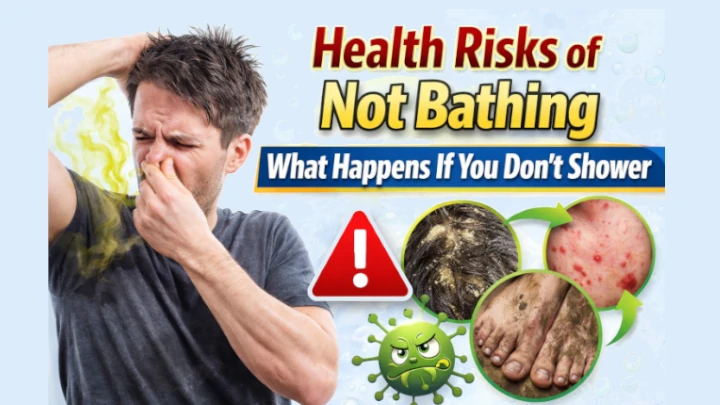
Are you looking for health risks of not bathing? Bathing is one of the essential steps to maintaining our health. Not only does it help us clean our bodies, but it’s also necessary for protecting us from infections. However, some health risks are associated with not bathing – and you should be aware of them if you’re not taking regular baths.
If you don’t shower, you’ll probably start to smell bad. Not only will your friends and family start to notice, but your hygiene will also start to suffer. This is because sweat and bacteria mix and create an unpleasant odor.
This article discusses the health risks of not bathing and explains why you should start taking showers more regularly.
In This Article
Health Risks of Not Bathing
There are a number of health risks associated with not bathing. Here are some of the most common problems that can occur when you don’t shower for a week-
1. Bad Body Odor Develops
When you don’t shower, sweat stays on your skin. Sweat itself does not smell, but bacteria on your body break it down and create a bad odor. Areas like armpits, feet, and private parts start smelling first. As days pass, the smell becomes stronger and noticeable to others, which can cause embarrassment.
2. Dirt and Oil Build Up on Skin
Your skin naturally produces oil to protect itself. Without bathing, this oil mixes with dust, sweat, and dead skin cells. This creates a dirty layer on the skin, making it feel sticky and greasy. Over time, your skin looks dull, unhealthy, and dirty.
3. Pores Get Blocked
When oil and dirt collect on the skin, pores get blocked. Blocked pores stop the skin from breathing properly. This can cause blackheads, whiteheads, and rough skin texture. The skin may also look uneven and tired.
4. Risk of Skin Infections Increases
Not showering allows bacteria and fungi to grow easily on the skin. This can lead to infections like rashes, itching, redness, and fungal problems.
Warm and moist areas of the body are most affected, especially during hot or humid weather.
5. Acne and Pimples Become Worse
Sweat, oil, and bacteria sitting on the skin for long periods can cause acne. People who skip showers after sweating are more likely to get pimples on the face, back, chest, and shoulders. Dirty skin creates the perfect environment for acne-causing bacteria.
6. Dead Skin Cells Accumulate
Every day, your body sheds dead skin cells. Showering helps remove them. If you don’t shower, these dead cells stay on the skin and build up.
This causes rough patches, flaky skin, and dark areas, especially on elbows, knees, and neck.
7. Skin Starts Itching and Feeling Uncomfortable
Dried sweat and dirt irritate the skin, leading to itching and irritation. Tight clothes rubbing against dirty skin can make the problem worse. Continuous itching may cause scratches, which can allow germs to enter the skin.
8. Fungal Infections Become Common
Fungi grow well in warm and sweaty areas. Not showering increases the risk of fungal infections like athlete’s foot, jock itch, and yeast infections. These infections cause itching, burning sensation, peeling skin, and bad smell.
9. Hair and Scalp Become Greasy
When you don’t shower, your scalp also becomes dirty. Oil, sweat, and dust collect on the scalp, making hair greasy and smelly. This can cause dandruff, itching, and even hair fall over time. Hair looks flat and unhealthy.
10. Clothes Start Smelling Quickly
If your body is dirty, clean clothes absorb sweat and bacteria faster. Even freshly washed clothes start smelling bad after a few hours. This makes you feel uncomfortable and may require frequent clothing changes.
11. Higher Risk of Illness
Germs on dirty skin can enter the body through small cuts or wounds. Poor hygiene increases the risk of infections and skin-related diseases. Children, elderly people, and those with weak immunity are more at risk.
12. Confidence and Mental Health Are Affected
Not feeling clean can affect your mood and confidence. People who don’t shower regularly may feel lazy, stressed, or uncomfortable around others. Bad body odor can cause social anxiety and reduce self-esteem.
13. Social and Relationship Problems
Poor hygiene can push people away. Friends, family members, and coworkers may avoid close contact without telling you the reason.
This can affect relationships, work life, and social interactions negatively.
14. Body Smell Becomes Harder to Remove
The longer you avoid showering, the stronger the smell becomes. Bacteria build up deeply on the skin, making odor difficult to remove even after bathing. Regular showers prevent this problem.
Conclusion
Not showering regularly may not cause problems immediately, but over time it leads to bad odor, skin infections, acne, itching, fungal growth, low confidence, and social issues. Showering helps remove dirt, sweat, bacteria, and dead skin cells from the body.
You don’t need long or expensive baths—just a simple shower with water and mild soap is enough to stay clean, healthy, and confident. Good hygiene is one of the easiest ways to protect your health and feel fresh every day.
Be sure to read: Olive Oil For Baby Constipation
References